
The Phase IX Project adds capacity to FGT’s established interstate pipeline network by installing sections of new pipeline, known as “loops,” near/adjacent to existing routes. The project also includes upgrades to delivery and receipt points, as well as compression equipment, allowing more natural gas to be safely and efficiently delivered where it is needed most.
Today, FGT supplies approximately 60% of the natural gas used in Florida, supporting homes, businesses, and industries across the state. By increasing FGT’s capacity, the Phase IX Project is intended to help ensure Florida has dependable energy supply to support its growing population and economy.
About The Project
The Phase IX Project builds on FGT’s more than 70 years of reliable service to communities across the state of Florida.
-
Construction
During construction, the Phase IX Project will support local economies by creating jobs and increasing demand for local goods and services.
-
Tax Contributions
It will also enhance the significant tax contributions FGT currently makes, exceeding $34 million annually in ad valorem taxes to counties along its pipeline route. In Florida, these taxes are distributed to local taxing authorities to fund local government services including police, fire departments, libraries, roads, parks, and recreation facilities.
-
Infrastructure
By expanding system capacity, the Phase IX Project will enhance the state’s energy infrastructure while supporting continued population growth, residential and commercial use, economic development, and long-term energy reliability.
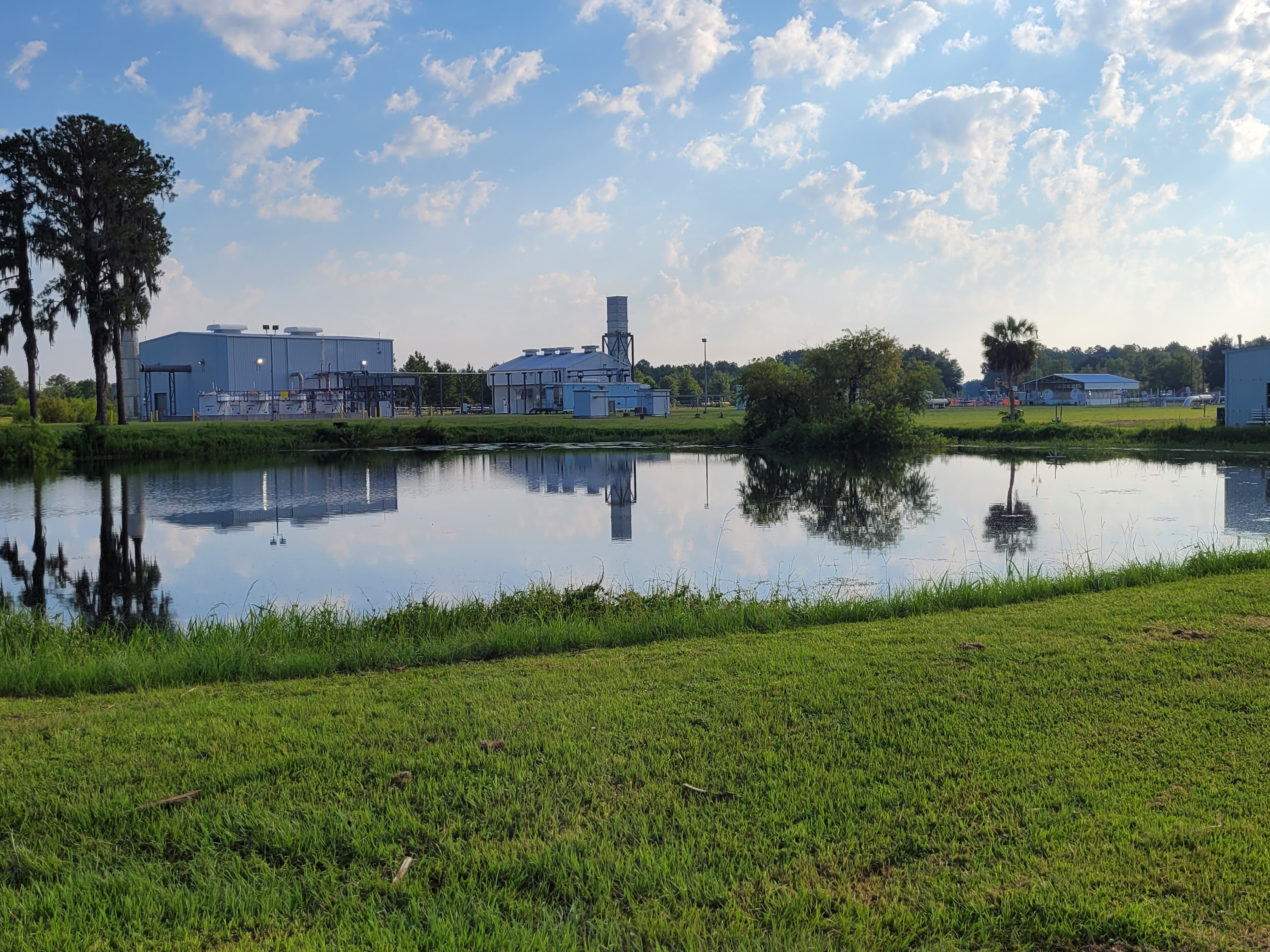
The Phase IX Project is anticipated to be placed into service in the fourth quarter of 2028, expanding FGT’s capacity by up to 526 million cubic feet per day
FGT Facts
The Florida Gas Transmission pipeline is an interstate natural gas system that runs about 5,400 miles from South Texas along the Gulf Coast region to South Florida. FGT is a subsidiary of Citrus LLC, a partnership between Energy Transfer and Kinder Morgan. The pipeline is operated by Energy Transfer.
The pipeline receives natural gas from suppliers and pipeline interconnects in the Gulf Coast areas of Texas, Louisiana, Mississippi, Alabama, Florida, including offshore sources, and safely transports it to homes, businesses, and power plants. By linking multiple supply regions to customers, FGT helps ensure a reliable and steady flow of natural gas across the Gulf Coast region to the Florida market area.
Regulatory
FGT is an interstate natural gas pipeline system regulated by the Federal Energy Regulatory Commission (FERC). FGT will file an application for a FERC “Certificate of Public Convenience and Necessity” under Section 7 of the Natural Gas Act. FERC will serve as the lead federal agency responsible for ensuring compliance with pipeline regulation and the National Environmental Policy Act (NEPA).
Additionally, FGT will file permits with, provide information, and engage in required consultations with:
- U.S. Army Corps of Engineers (USACE)
- U.S. Fish and Wildlife Service (USFWS)
- U.S. Department of Energy (DOE)
- U.S. Department of Transportation (USDOT)
- Mississippi Department of Wildlife, Fisheries, and Parks (MDWFP)
- Florida Fish and Wildlife Conservation Commission (FWC)
- Mississippi Department of Archives and History (MDAH)
- Florida Historical Commission (FHC/SHPO)
- And other state entities
FGT’s pipeline system is governed by federal environmental laws including, but not limited to, the National Environmental Policy Act (NEPA), the Clean Water Act, the Clean Air Act, the Rivers and Harbor Act, the Endangered Species Act, and the Historic Preservation Act. FGT’s pipeline system is governed by the U.S. Pipeline and Hazardous Materials Safety Administration (PHMSA), ensuring compliance with federal safety regulations.
Survey & Construction
The Phase IX Project teams are performing civil, environmental, and endangered species surveys as part of the pipeline route study. The route will generally parallel an existing pipeline right-of-way (ROW) to minimize impacts from construction and maintain the smallest environmental footprint possible.
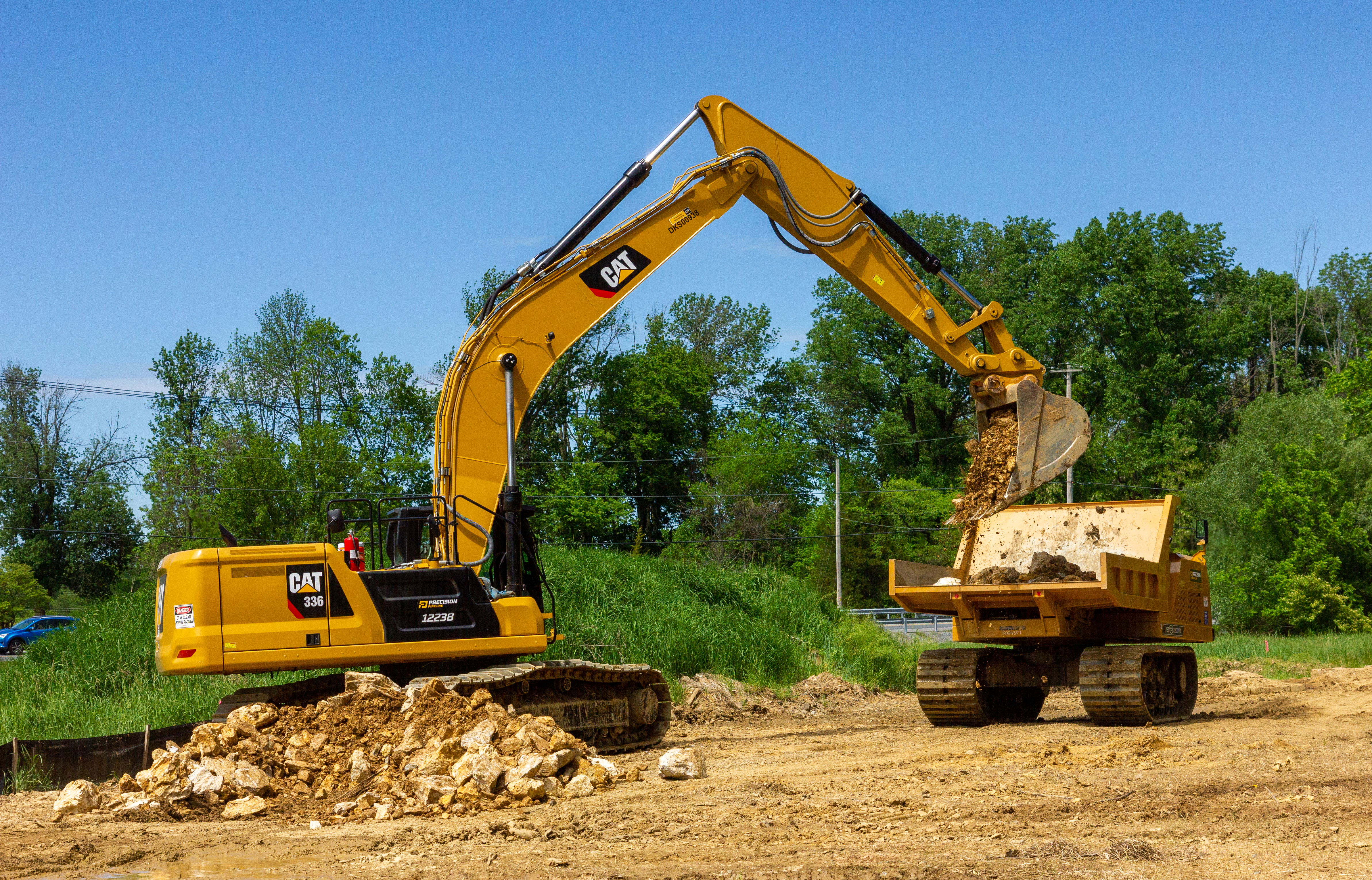
Dependent on final approvals, project construction is anticipated to take place from Q4 2027 through Q4 2028. Construction will be managed by Energy Transfer.
Pipeline Safety
FGT’s top priority is to provide safe and reliable transportation of natural gas on its system. Construction of the Phase IX Project will include visual and Non-Destructive Examination (NDE) of every weld that joins sections of pipe together. The new pipeline loops will be tested with water at 1-1.5 times normal pressure, and regulation devices will be installed to help prevent pressure from exceeding safe limits.
All safety valves for the mainline loops will be remotely controlled and monitored for pressure at all times—24 hours a day/7 days a week. PHMSA currently requires that interstate pipeline system ROWs be routinely patrolled for any potential hazards. FGT utilizes a fleet of aircraft to conduct aerial surveys of its pipeline ROWs on a weekly basis, in conjunction with other PHMSA-required pipeline testing such as in-line-inspection and hydrotesting.

Landowner Communication
Responsible pipeline operations include ongoing education and communication with those who live and work near pipelines. FGT communicates with stakeholders through printed mailings, face-to-face meetings, telephone communication, and occasionally print media.
FGT’s ROW personnel are making direct contact with affected and abutting landowners close to the Phase IX Project areas, and FGT will remain available to all landowners throughout the Phase IX Project construction process to address any questions or resolve concerns.